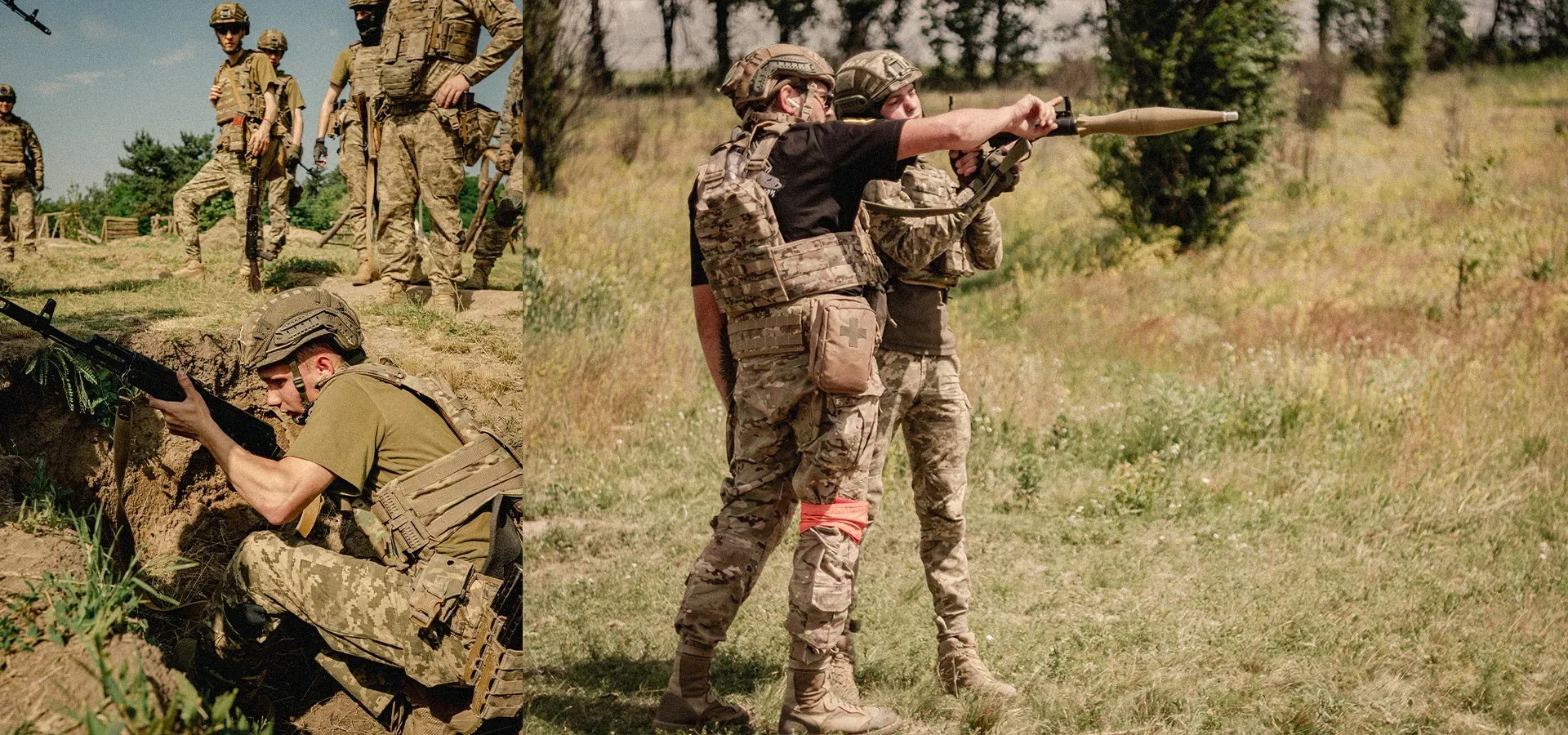
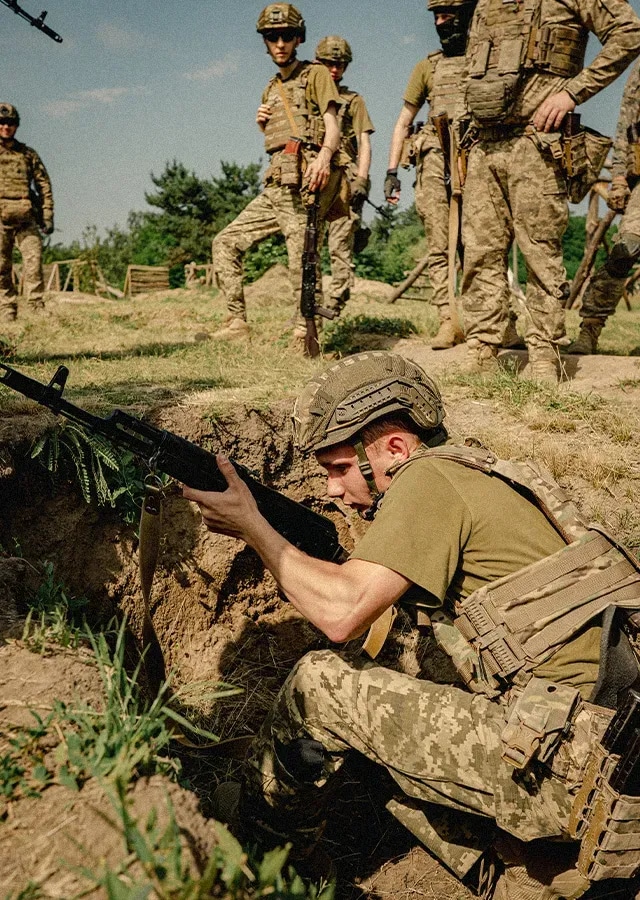
What is Basic Military Training (BMT) in the Unmanned Systems Forces?
Basic Military Training is a transitional stage from civilian to military service. It is not intended to turn you into an assault infantry soldier, but to provide practical skills that can save lives
How does the training take place?
Regardless of the position, before serving in the USF everyone must complete Basic Military Training. The course lasts more than one and a half months (shorter for those deemed “limited fit”) and is conducted at USF training centers or at unit bases.
The program covers the fundamentals of tactical medicine, tactical training (coordinated actions within a unit), firearms training (rifle shooting in various conditions), land navigation (map work and target designation), as well as camouflage, radio communications, and, of course, counter-drone measures.
Completion of BMT results in the assignment of a basic military occupational specialty (MOS) — 100 “Rifleman”, which is mandatory for everyone, from UAV operators to clerks and cooks.
Only after BMT will you begin specialized training within your unit, if required by the position you have chosen.
What should you bring with you?
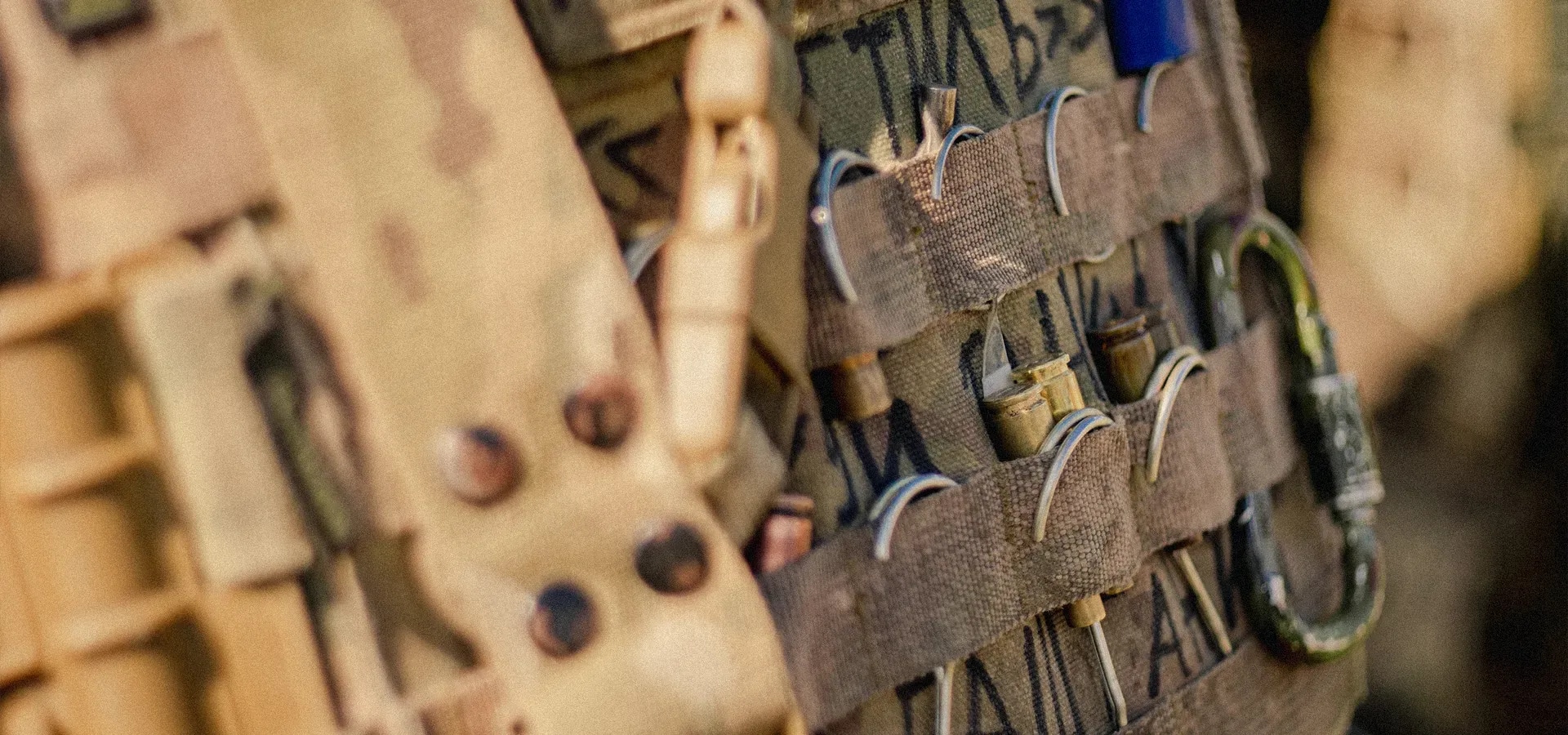
All essential equipment required for task execution (from uniform and body armor to gloves, knee pads, and socks) will be issued to you. There is no need to rush into fundraising for gear.
You should bring comfortable clothing and athletic footwear, personal hygiene items, metal or camping utensils, documents, and basic personal essentials (such as an extension cord, power bank, flashlight, etc.)
Tactical Medicine
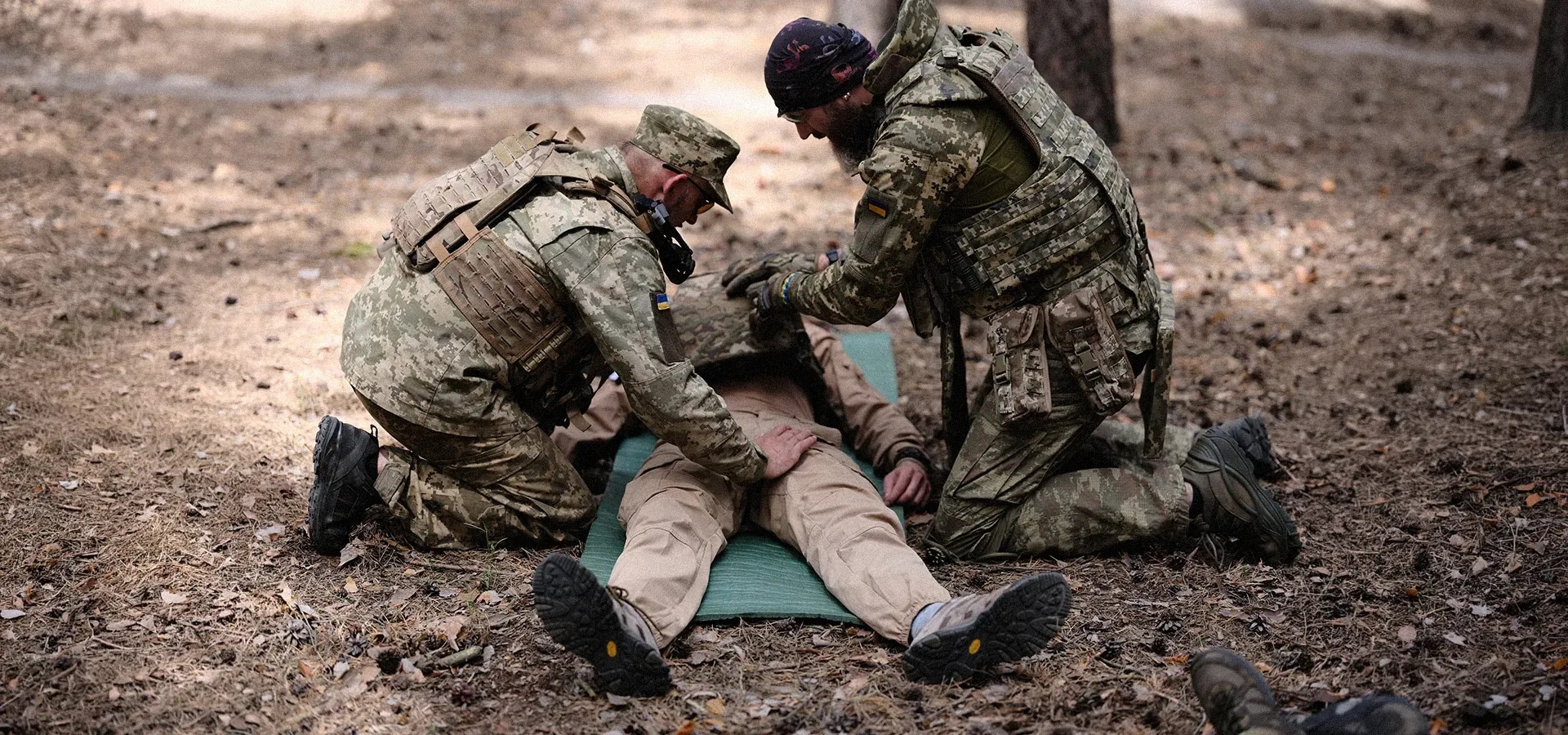
During tactical medicine training, you will practically master immediate actions to save your own life and the lives of your comrades. This includes identifying and stopping critical bleeding, checking and securing airway patency, providing care under fire, casualty evacuation methods, and many other critically important skills. These competencies enable confident and effective action whenever life is at risk — whether deep in the rear, on the front line, or in civilian life.
We know that panic comes from not understanding what to do, and we address that directly.
Tactical Training
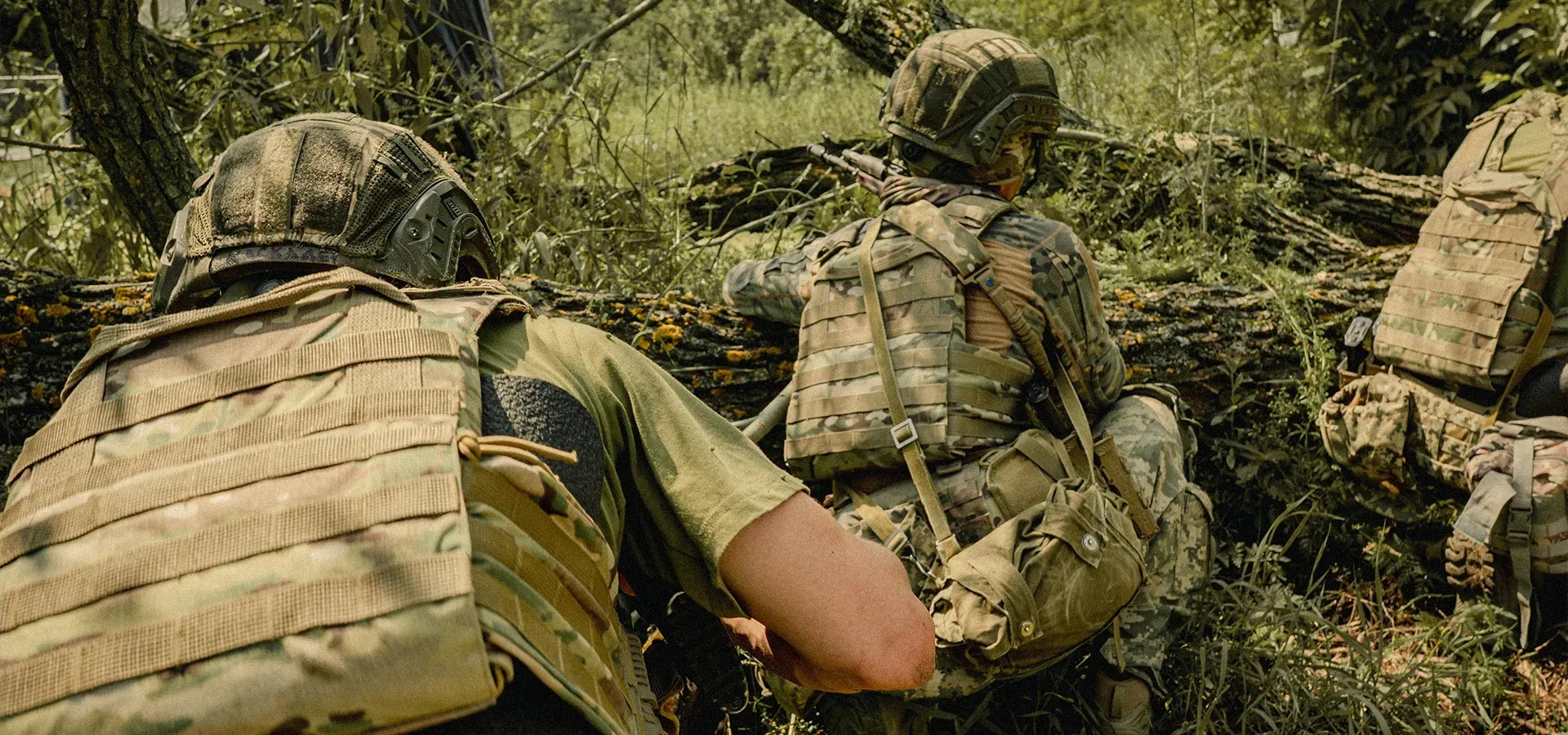
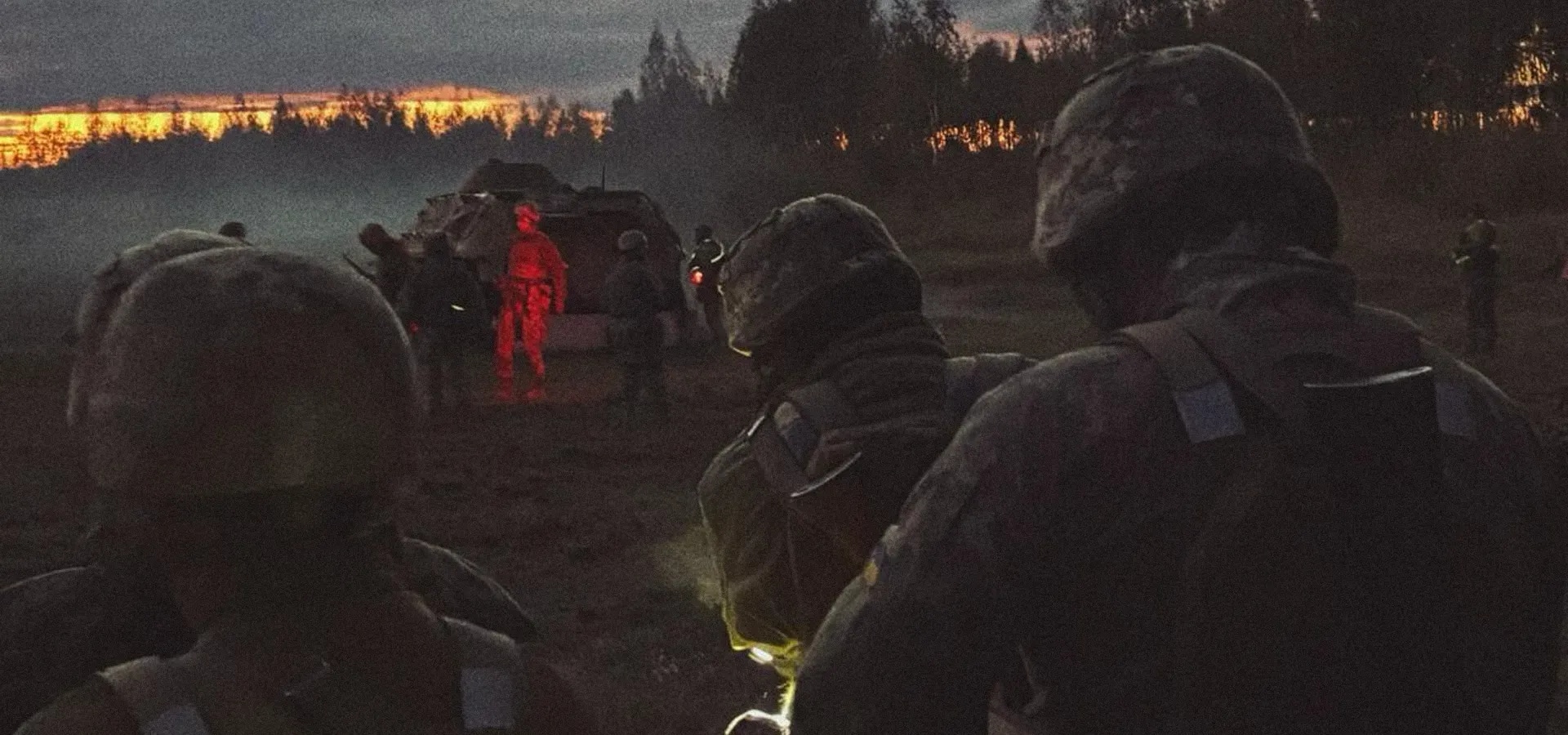
It is the art of making the right decisions at the right moment and immediately putting them into action under critical conditions. Unit interaction, coordinated movement on the battlefield, transitioning from offense to defense and back, fast and effective maneuver execution, combat in urban environments, and the specifics of close-quarters battle (CQB) — all of this is covered in tactical training. Within the Unmanned Systems Forces, every recruit studies and internalizes the experience of modern combat operations through hands-on practice.
Military Topography
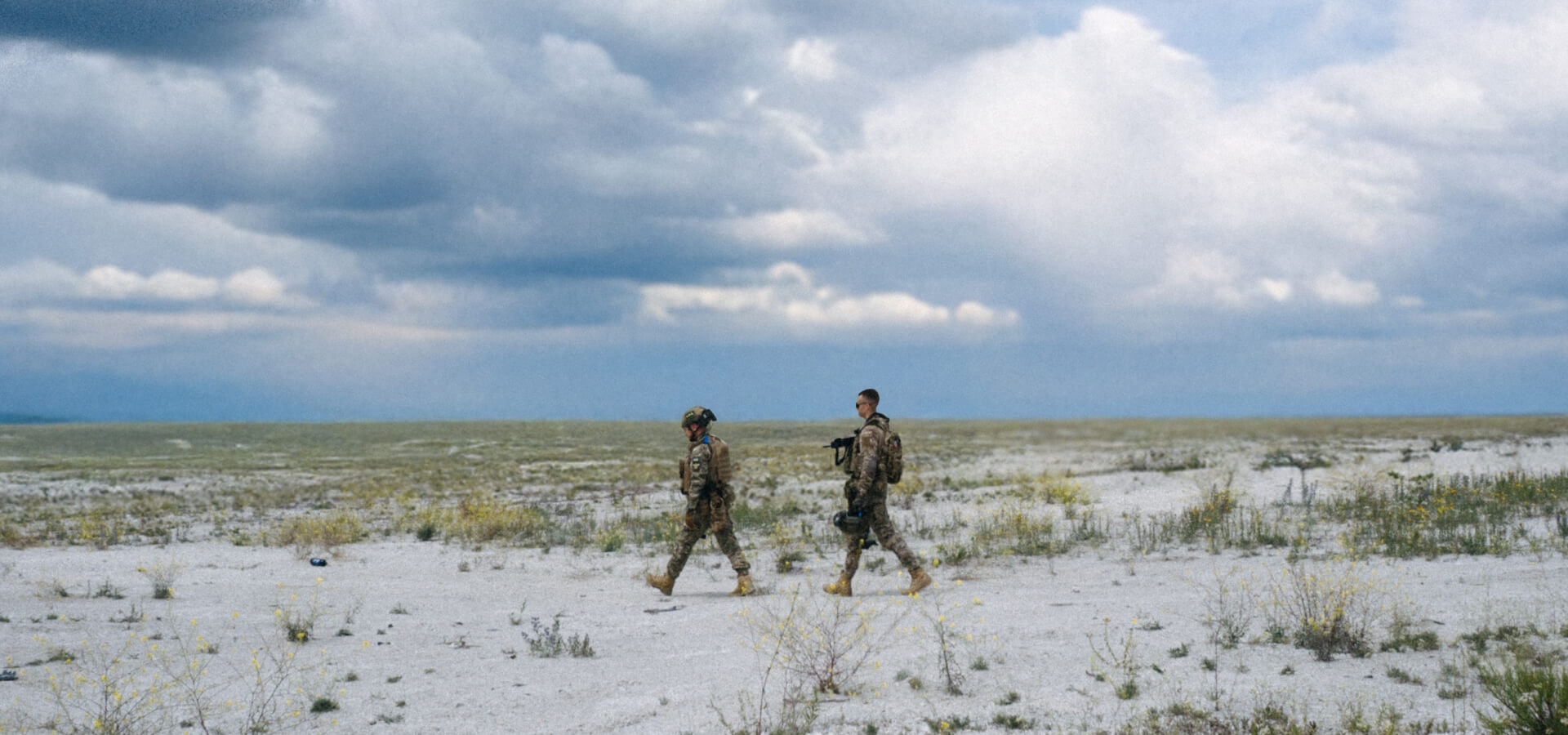
Military topography will teach you how to navigate terrain day and night without relying on GPS navigation You will master the use of a compass, learn to read maps, move by azimuth, determine cardinal directions, and identify key landmarks Most importantly, you will always understand where friendly forces are located
UAV-related training
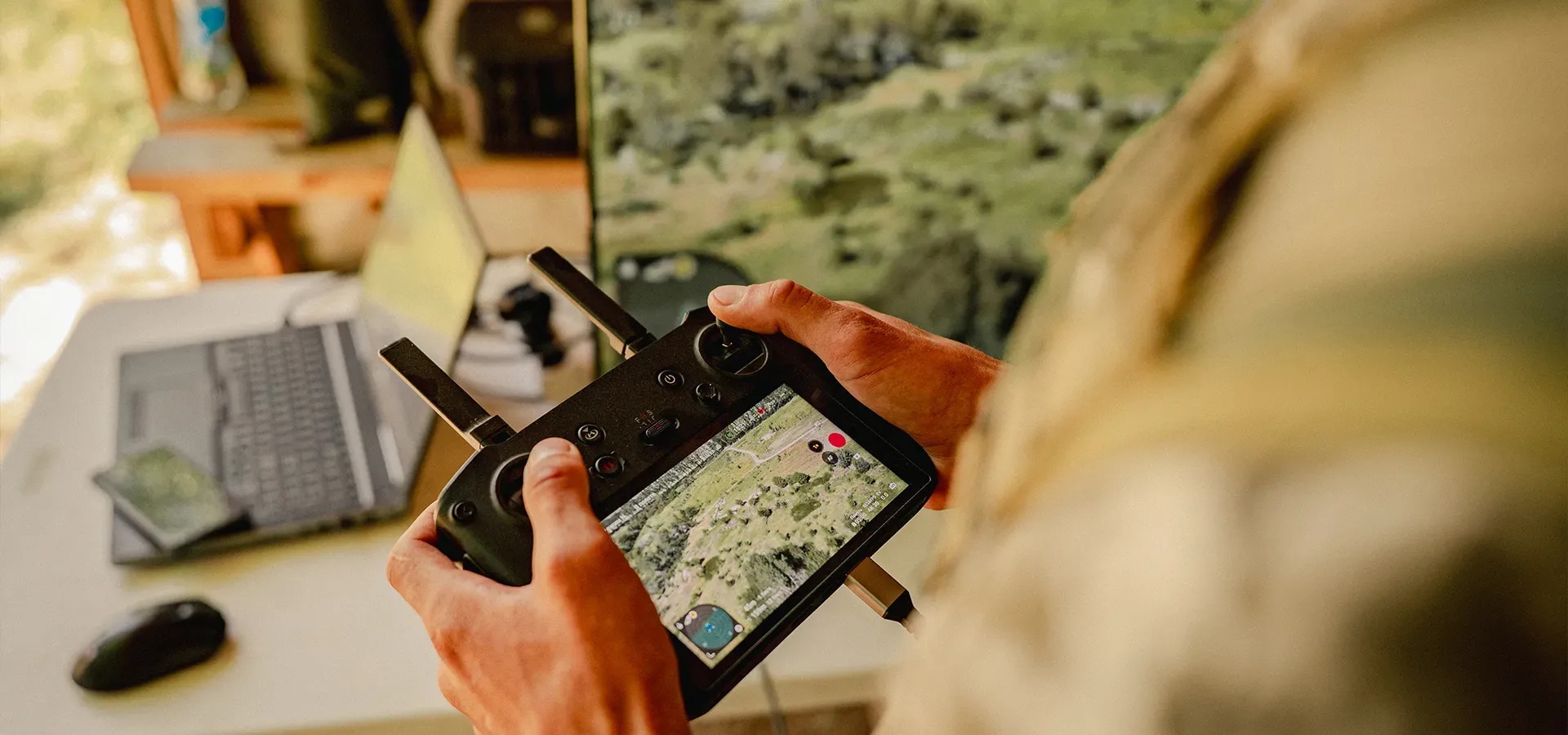
Working with drones and countering them effectively is a mandatory part of basic training in the USF. You will be introduced to the main types of reconnaissance and strike systems, receive instruction in radio communications basics, and learn to detect and avoid enemy UAVs.
The program includes FPV simulator sessions, hands-on practice with reconnaissance drones (Mavic) and NRK systems. Upon completion, recommendations for further specialized training courses will be provided based on each trainee's aptitude.
Firearms Training
During firearms training, you will first develop safe weapons handling skills — simply getting comfortable with a firearm. From there, you will become a confident user — learning to shoot accurately.
During live-fire exercises, you will practice accurate and proficient shooting with small arms and will be able to engage targets from all firing positions. You will also get familiarized with NATO-standard small arms and their specifics. You will gain experience in maintaining weapons in adverse conditions and learn to quickly clear malfunctions during fire.
Basic shooting drills will include: firing from prepared and improvised cover, shooting on the move, suppressive fire, movement under cover, close-quarters combat, trench clearing, and much more.